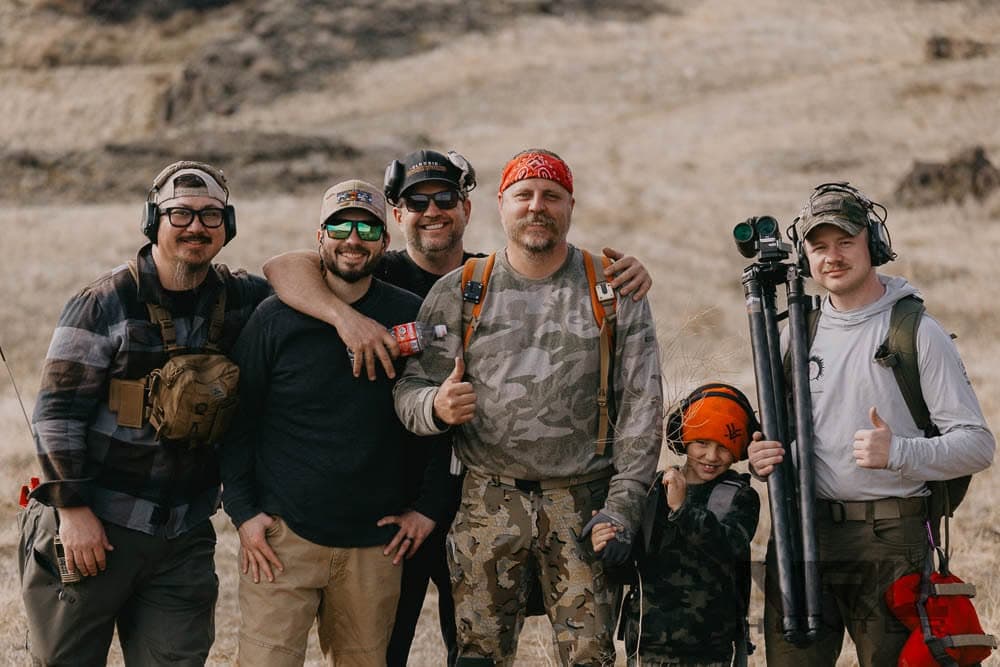
Host an NRL Hunter Games match

The one-day version of NRL Hunter
NRL Hunter Games is a national series of one-day matches built to introduce people to the sport. They're about practice, training, and fun, and they give new hunters an approachable path to the two-day Hunter matches.
Games uses the same divisions, equipment standards, stage procedures, and scoring as two-day Hunter matches. The shorter format is what lets a local match director put on an affordable, welcoming event.
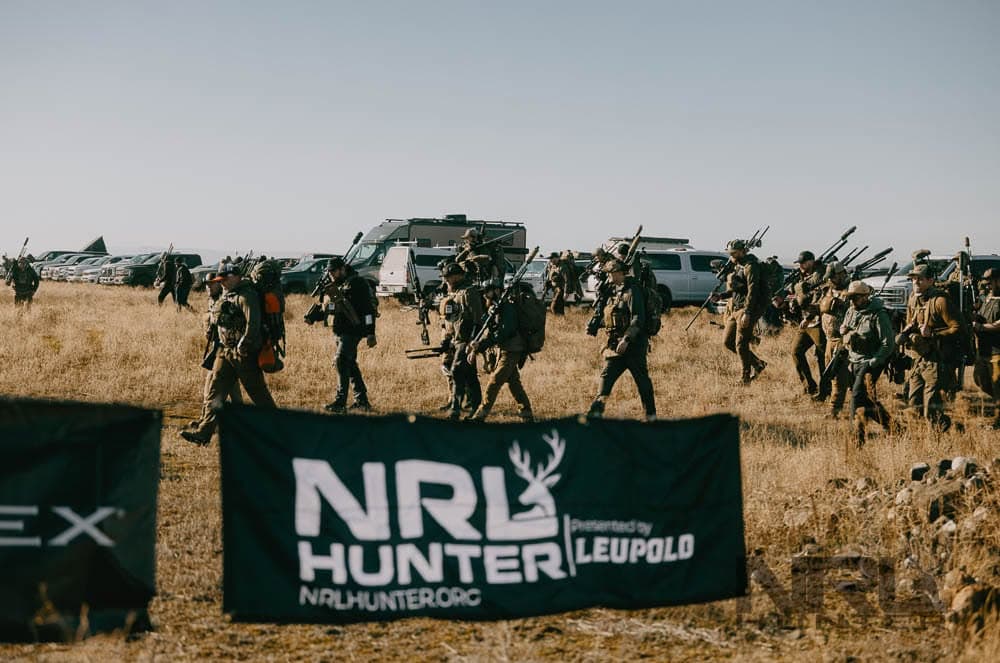
- One day
- At least eight stages, shot in a single day. Most Games matches run 8–12 stages.
- Blind stages
- Competitors find, range, and engage steel targets on the clock: four minutes for individuals, six for teams. Distances and target locations aren’t given out.
- Four engagements
- Every stage has four target engagements and a maximum of eight rounds, laid out in one of the three ways shown below.
- Scoring
- Two shots per target: a first-round hit is worth 2 points, a second-round hit 1. Eight points is the most a stage can pay.
- Skills Division
- New shooters can enter Skills and be given target locations, ranges, and coaching, so a first match is a lesson and not a test.
- Awards
- Trophies are the only awards based on results. No prize tables and no cash payouts; donated items are handed out by random drawing.
The three stage layouts you'll build
Targets in order · positions any order
A small match that does a lot
A Games match is the lightest way to put on a sanctioned field match, and the rules are written to keep it that way.
Build your local scene
Games is the on-ramp to the sport. A one-day match close to home is how most new hunters try it, and how a regular group of shooters forms around your range.
A match you can actually staff
You don’t need an RO on every stage. Rolling ROs or qualified ROs inside each squad are fine, as long as someone is spotting impacts.
No prize table to chase
Prize tables aren’t allowed at Games matches, so you can skip the sponsor hunt and spend your time on stages.
You keep 90% of entry fees
You set the price. 90% of every entry goes to your Stripe account, and NRL Hunter covers the card processing fees out of its 10%.
The admin is handled
Registration, payments, waivers, the waitlist, squadding, scoring, results, and emails to your competitors all run through nrlhunter.org.
Your shooters earn season points
Members earn Games season points at your match, and the top ten in the Games standings are invited to the Grand Slam Championship.
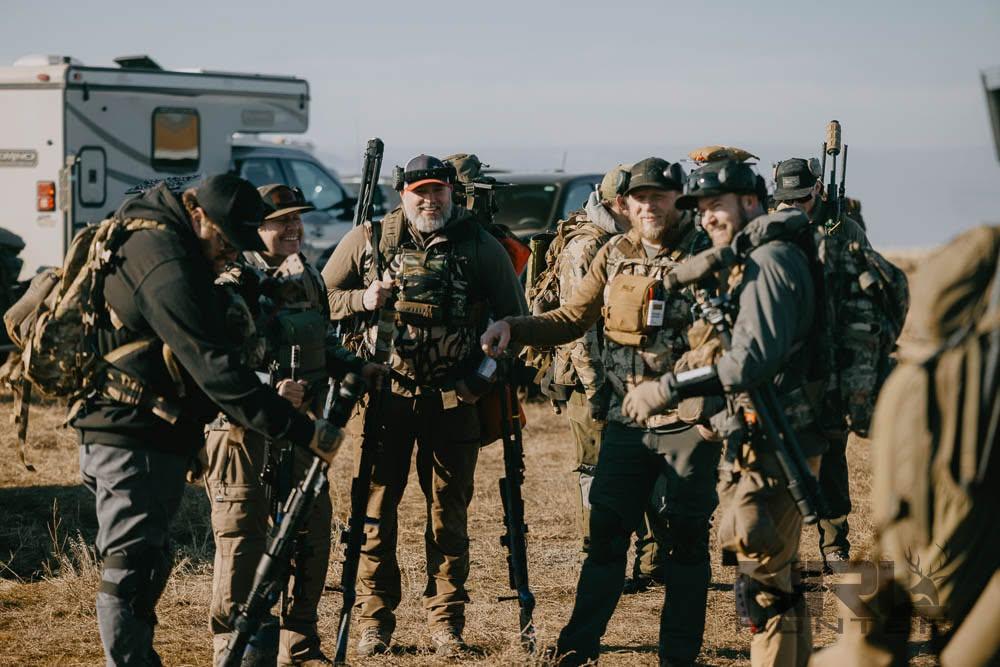
What you need to run one
Nothing exotic. If you've shot a match, you've seen all of it.
A place to shoot
Private land or a range with room for at least eight stages. Most targets should sit between 200 and 700 yards; a few can stretch toward 1,000 when size and visibility make that reasonable.
Steel and placards
Four target engagements per stage, plus an 18 × 24 inch placard near the first target of each array and an aiming aid marking the left and right limits.
A few helpers
Enough ROs to run the match safely and consistently. Make sure you have people who can spot impacts and enter scores.
A safety brief
A briefing you read before the first shot. It covers the cold-range rules, how violations like sky loading are handled, and your emergency plan.
A payout account
A personal Stripe Connect account, or a club account you administer. It takes a few minutes to set up.
Setting up your first match
Eight steps from reading the rules to handing out trophies. The first four happen on nrlhunter.org and take an evening.
- 1
Read the Games rules
As match director you're the final authority at your match, and you're expected to know the Games rulebook. It's short. Section 2 covers your responsibilities and how stages have to be built.
- 2
Set up your payout account
Sign in and open Host a Match on your dashboard. Connect a personal Stripe account, or use a club account if you're a club admin. Match creation unlocks once the account is active.
- 3
Create the match
Fill in the match form: name, date and location, a description, a difficulty rating, a hero image, pricing and capacity, when registration opens, and any extra questions you want to ask at registration. Your progress saves as you go.
- 4
Submit it for review
NRL Hunter reviews new matches, usually within 24–48 hours. You'll get an email when yours is approved or if something needs to change. Once approved, it appears on the Games calendar and competitors can register.
- 5
Build it out in your MD tools
Your match gets a match director page. Add your stages, set up squads, assign workers and answer RO requests, review the waiver, and message your competitors as the date gets closer.
- 6
Design and set your stages
Err on the easier side rather than the harder side. Games matches tend to bring out newer competitors, and they should have a realistic chance to find the targets, build a position, and get impacts.
- 7
- 8
Close it out
Give hunters a 20-minute arbitration window to review scores. After that, scores are final. Hand out trophies, run any random drawings, and you're done. Next time, clone the match from your dashboard and just pick new dates.
Things first-time match directors ask about
Review takes a day or two
Submit your match well ahead of the date so there’s time for review and for registration to fill.
New shooters will show up
That’s the point of Games. Expect questions, borrowed gear, and Skills Division hunters who need a spotter to coach them through a stage.
You can shoot, for practice
An MD may shoot their own match, but only for practice: no placement, trophies, or season points. Scores can’t be entered in the app for an MD who shoots.
Points post for members
NRL Hunter members earn Games season points from your results, and those points count toward the season leaderboards.
Ready to put one on the calendar?
Set up your payout account and create your match from your dashboard. You'll need to sign in first.
Where to go next
Start hosting
Set up payouts and create your first Games match.
Games rules
The full rulebook, including match director responsibilities.
Browse Games matches
See how other match directors present and price theirs.
Clubs
Host under a club and share one payout account.
Ask other MDs
Get stage ideas and advice in the community forums.