Start your NRL Hunter adventure

A precision rifle sport rooted in the hunt
NRL Hunter is a field-shooting sport built around realistic hunting scenarios. You engage steel targets at unknown distances from natural field positions, using the very same skills that make a capable, ethical hunter.
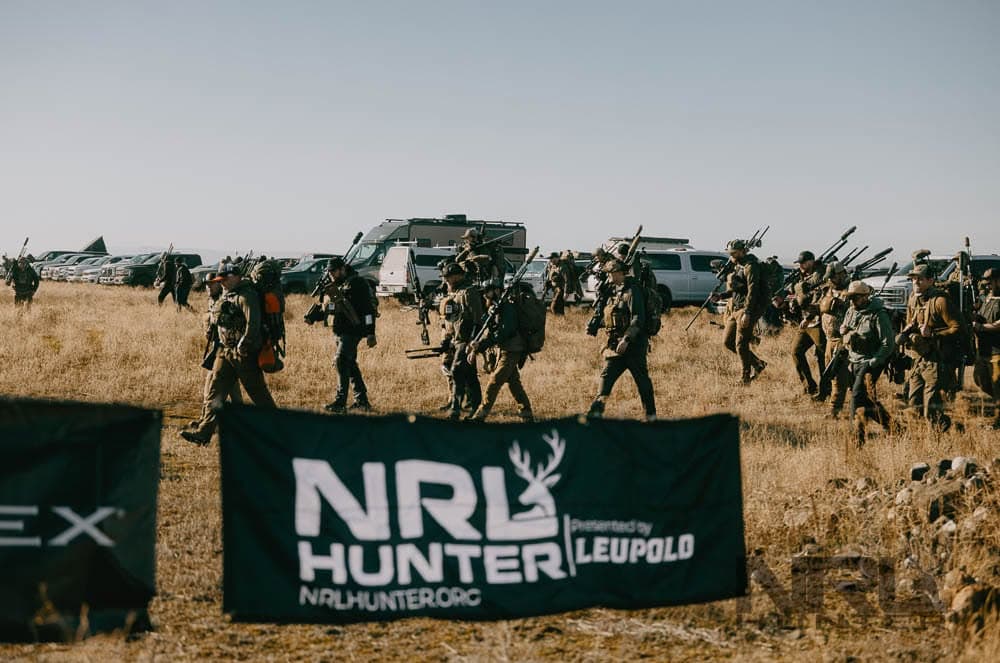
Hunter or Games — both are great places to start
There are two NRL Hunter formats, and either one is a fine first match. The main difference is simply how much time you commit on the day.
NRL Hunter
A two-day field match that tests your skills across a full weekend — a bigger commitment, a deeper experience, and a great goal to build toward.
NRL Hunter Games
A more approachable one-day format that's laid back and less of a commitment. It's a great way to practice, learn, and get comfortable with the sport at your own pace.
A simple, predictable format
Every stage follows the same find-range-engage format, and the setup is kept simple on purpose.
The setup is consistent and free of gimmicks, so the challenge is the skills that actually matter: finding your targets, building a solid position, and making the shot. A Games match usually runs 8–12 stages; a Hunter match usually runs 16–20.
- Time
- Individual shooters get 4 minutes; teams get 6. All your gear starts stowed, and you deploy it after the clock starts.
- Targets & positions
- The stage brief tells you how many targets there are, what they look like, and the target-and-position count. You shoot them in a set order — near to far, far to near, left to right, or right to left. Targets sit anywhere from 200 to 1,000 yards, taken from prone or off natural props like big rocks.
- Placard
- A placard near the first target marks where the array begins; you still have to find and range the rest. Pins on the stage mark the left and right limits for where to look.
- Scoring
- Each target allows up to two shots: a first-round hit is worth 2 points, a second-round hit 1. Miss both and it's 0, and you move on. Each stage is worth a maximum of 8 points.
The three stage layouts
Targets in order · positions any order
Come ready to learn
If you remember one thing before your first match, make it this. The hunters who enjoy the sport most are the ones who show up curious and humble.
Stay humble
Targets sit at unknown distances in real field conditions, and they humble everyone — veterans included. As we say, luck is part of hunting.
You’re here to learn
Treat your first matches as education and practice. Your only real competition is your last performance.
Everyone started here
Every seasoned hunter was once a first-timer, and most are happy to help. Ask questions and lean on your squad and RO.
Progress over scores
Track your growth from one match to the next — that’s the progress that counts.
Enjoy it
The point is the experience, the people, and getting a little better every time you head out.
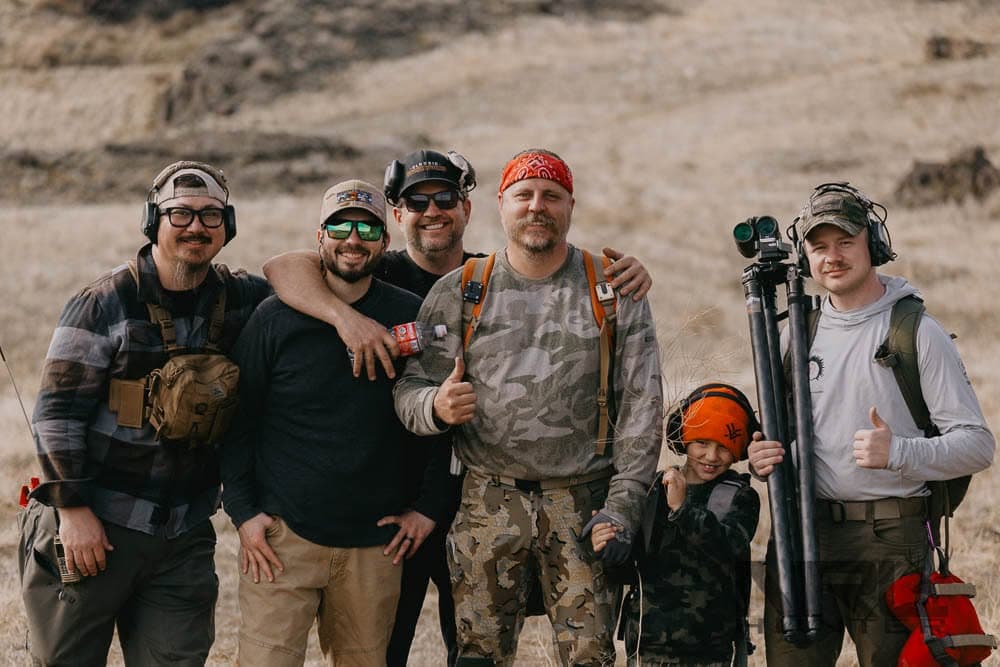
The ways you can compete
Divisions group competitors by rifle setup and format so you go head-to-head with similar gear. You can start in whichever one fits the rifle you already own.
A few divisions list a minimum power factor — a load's bullet weight (grains) × muzzle velocity (fps).
Skills
Start hereExperience division, any rifle ≤.30 cal, discounted entry
Best for your first match — you can watch other shooters run each stage, ask the ROs questions, and even find and range targets before it's your turn.
Factory
Unmodified factory rifles, 13 lbs or under
Factory rulesOpen Light
Any rifle configuration, up to 12 lbs, 380k PF minimum
Open Heavy
Any rifle configuration, 12-16 lbs, 380k PF minimum
Teams
Two-person teams shooting Open Heavy rules — any rifle configuration up to 16 lbs. Six minutes per stage, combined scoring.
Recognition for who you are
Alongside divisions, classifications recognize different groups of competitors so more hunters have something to shoot for.
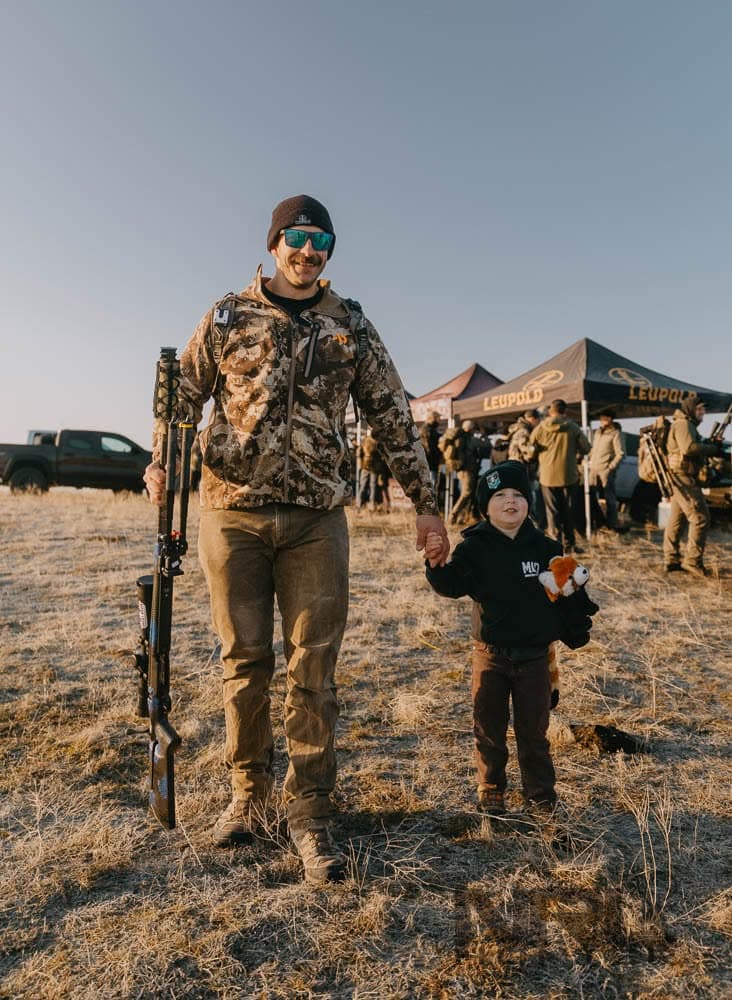
Young Guns
Recognition for our up-and-coming younger competitors.
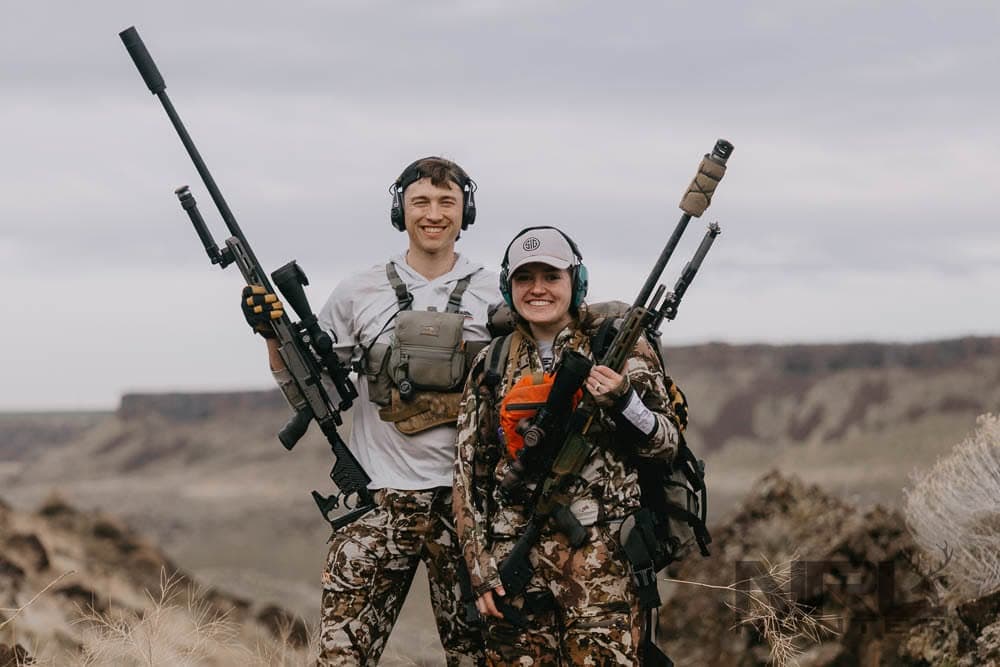
Women
Recognition for the women competing out in the field.
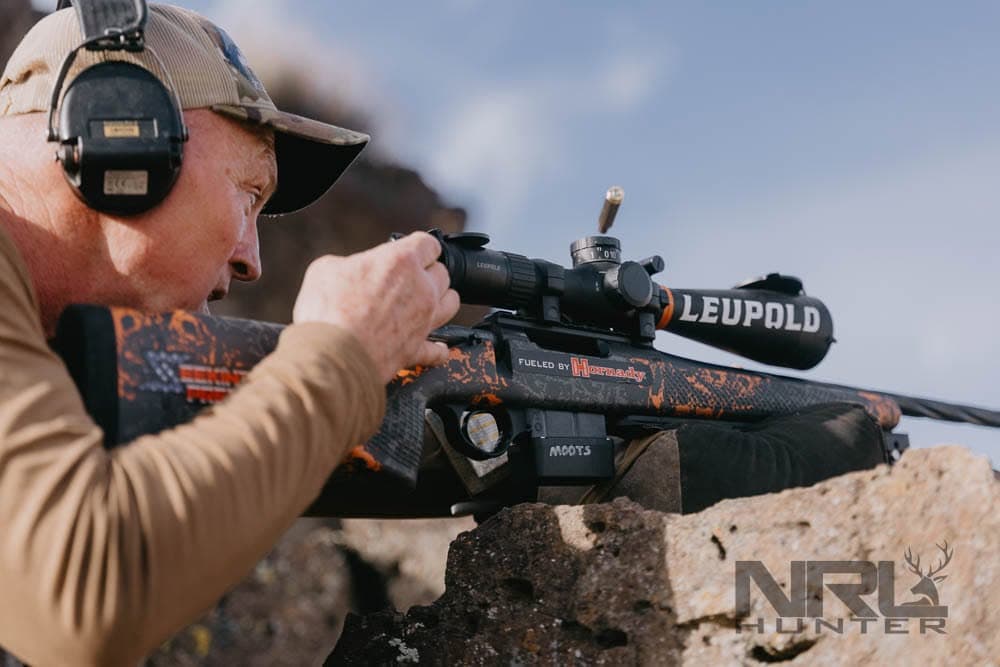
Seniors
Honoring the experience and dedication of our senior hunters.
One season, building toward the Grand Slam
Compete through the season to build your standing and earn a shot at the Grand Slam Championship.
Every match you shoot earns points toward your season standing, and the top competitors at the end of the season earn an invitation to the Grand Slam Championship.
- Standings are broken out by division and classification, so you're ranked against similar competitors.
- Games matches count toward your season too — they're just scored a little differently than two-day Hunter matches.
- The Skills division doesn't count toward the Grand Slam.
- Season opensJul 1, 2026
- Compete & earn pointsEvery match builds your standing on the leaderboards.
- Season closesJul 31, 2027
- Grand Slam ChampionshipThe season's top competitors face off.
Membership
Season standings require an active membership — and it pays for itself in perks.
- Early match registration
- Your scores count toward the season leaderboards
- 10% off at NRLH Gear
Everything you need to compete
From required equipment to the kit that makes a long day easier, here's what to bring. You can absolutely start with less than you think.
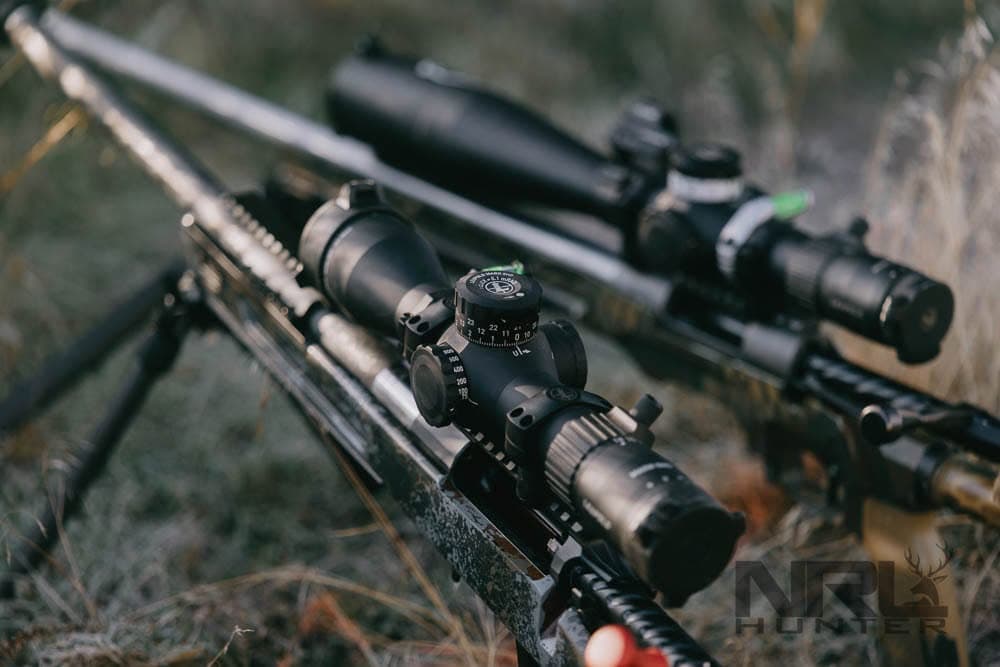
Rifle
Most any capable bolt-action hunting rifle will get you started. Weight and configuration depend on the division you choose — see the divisions and the rules for the details.
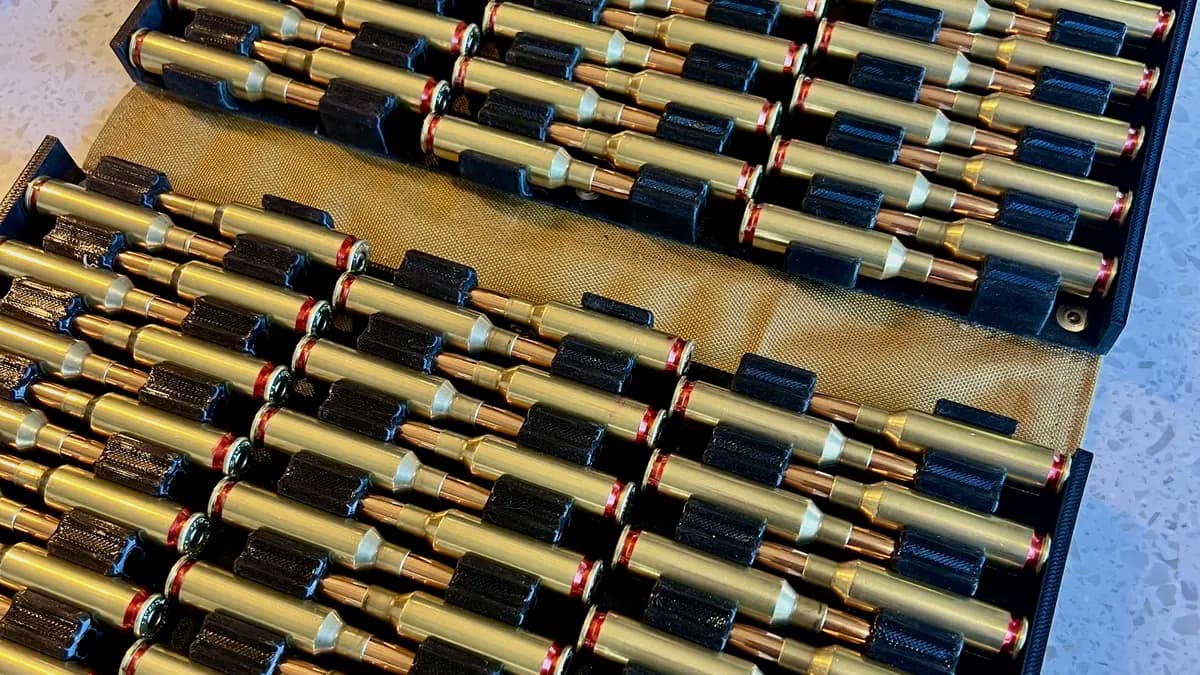
Ammunition
Each stage allows a maximum of 8 rounds, so a 20-stage match needs about 160 rounds — plus a few extra for zero confirmation and 3 rounds for power-factor verification. Good factory ammunition is more than sufficient; hand loads are welcome but must meet current NRL Hunter rules. The most popular caliber today is 6.5 Creedmoor.
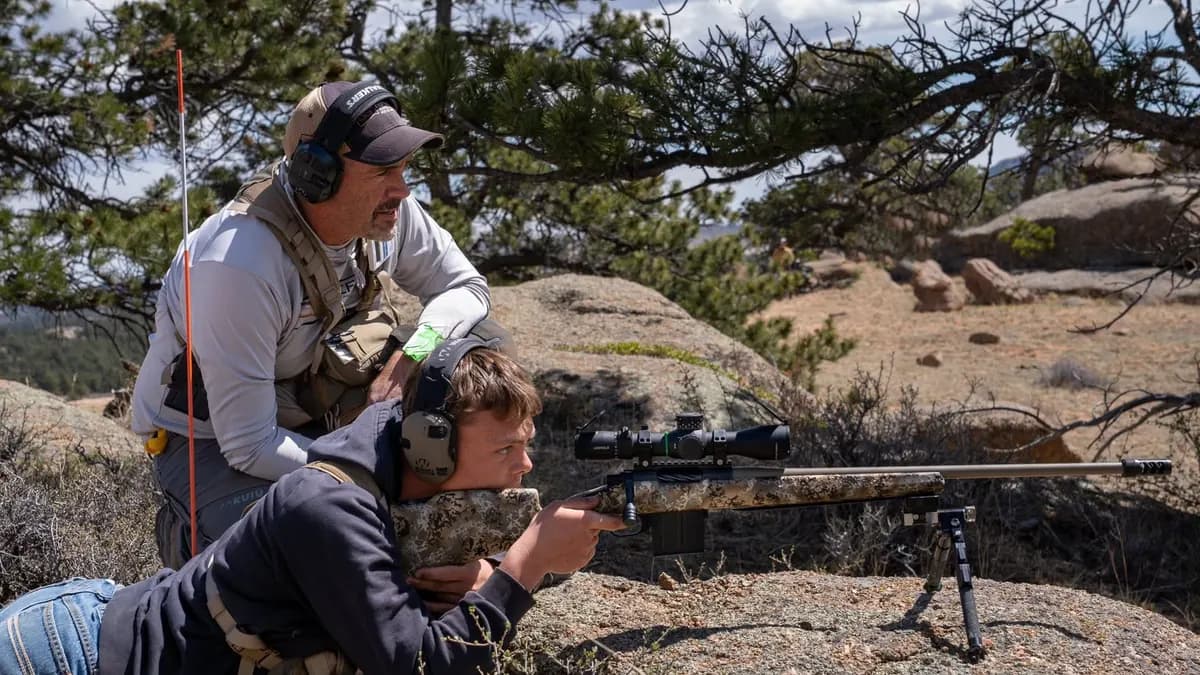
Magazines
We suggest at least two — one primary and one backup. A 10-round capacity is efficient but not required.
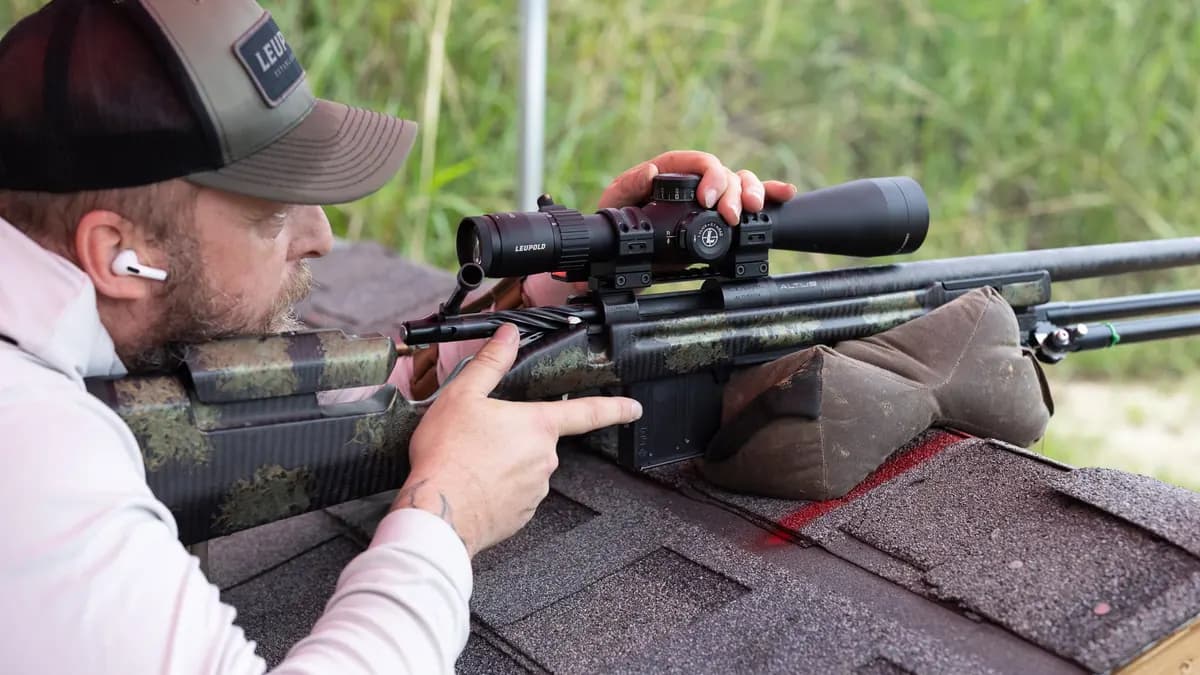
Optics — Scope
A quality variable-power optic helps with target identification. Magnification is subjective, but we recommend at least 18x on the high end — 25x or more is common. MILS or MOA both work; MILS is by far the most popular. A popular choice is the Leupold Mark 4 or Mark 5.
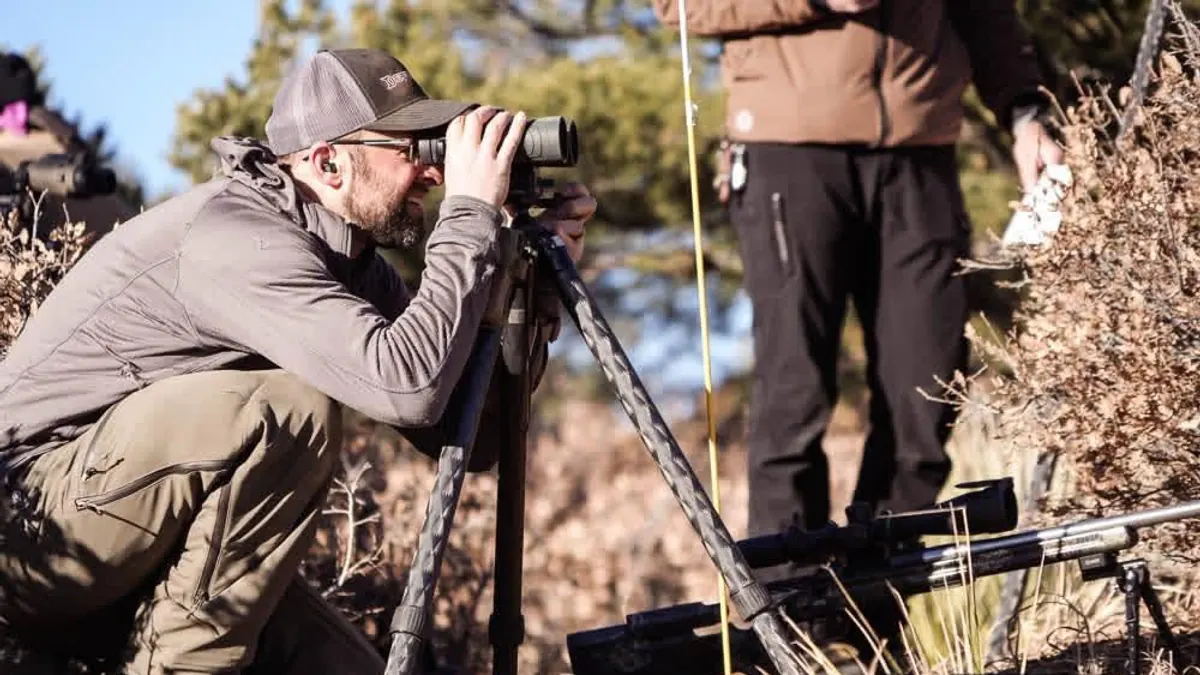
Optics — Spotting
Glassing and spotting optics help you find targets in the terrain and read your impacts in the field.
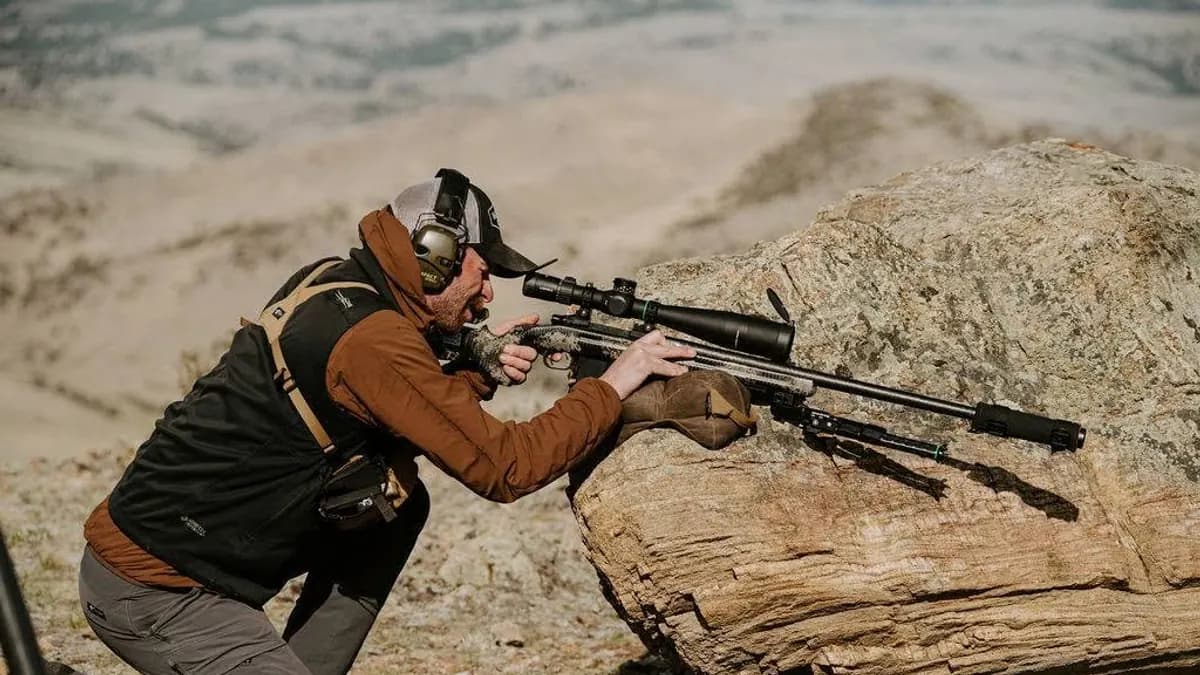
Accessories
Most shooters run a bipod or a tripod for stable positions, plus a shooting bag or two to support the rifle off natural props.
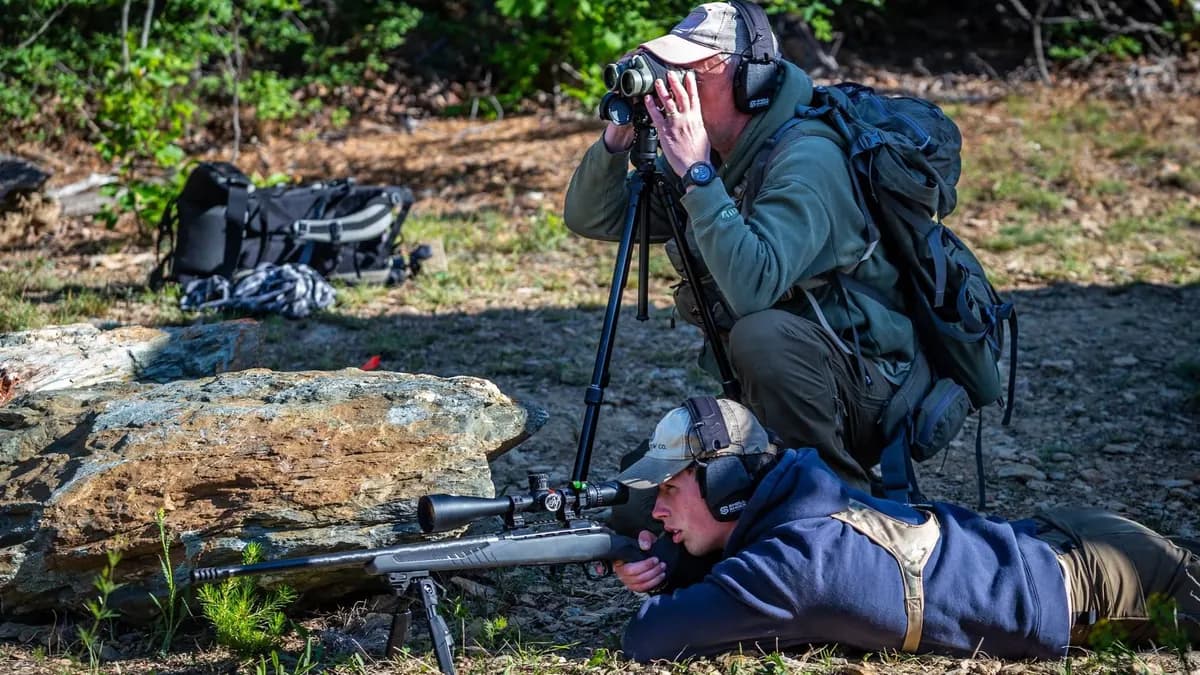
Ear Protection
Wear hearing protection at every event. Muffs like a Walker’s Slim (or comparable) are popular, and many add in-ear protection too — even when running a suppressor.
Where to go next
A few good places to keep learning about the sport whenever you are ready.
